MRI Test Price in Bangladesh: Complete Guide for 2025
Magnetic Resonance Imaging (MRI) is a powerful diagnostic imaging technique that uses magnetic fields and radio waves to create detailed images of organs and tissues within the body. This non-invasive procedure helps doctors diagnose a wide range of conditions, from brain tumors to spinal injuries, without using radiation. In Bangladesh, MRI test prices typically range from 6,750 to 16,000 BDT, depending on the body part being examined, the type of MRI, and the healthcare facility. This comprehensive guide explores everything you need to know about MRI test prices in Bangladesh, including preparation requirements, what to expect during the procedure, and pricing across various hospitals.
What is an MRI Test?
An MRI (Magnetic Resonance Imaging) test is an advanced diagnostic imaging procedure that uses a powerful magnetic field, radio waves, and a computer to produce detailed pictures of the inside of your body. Unlike X-rays and CT scans, MRI doesn’t use ionizing radiation, making it safer for repeated examinations.
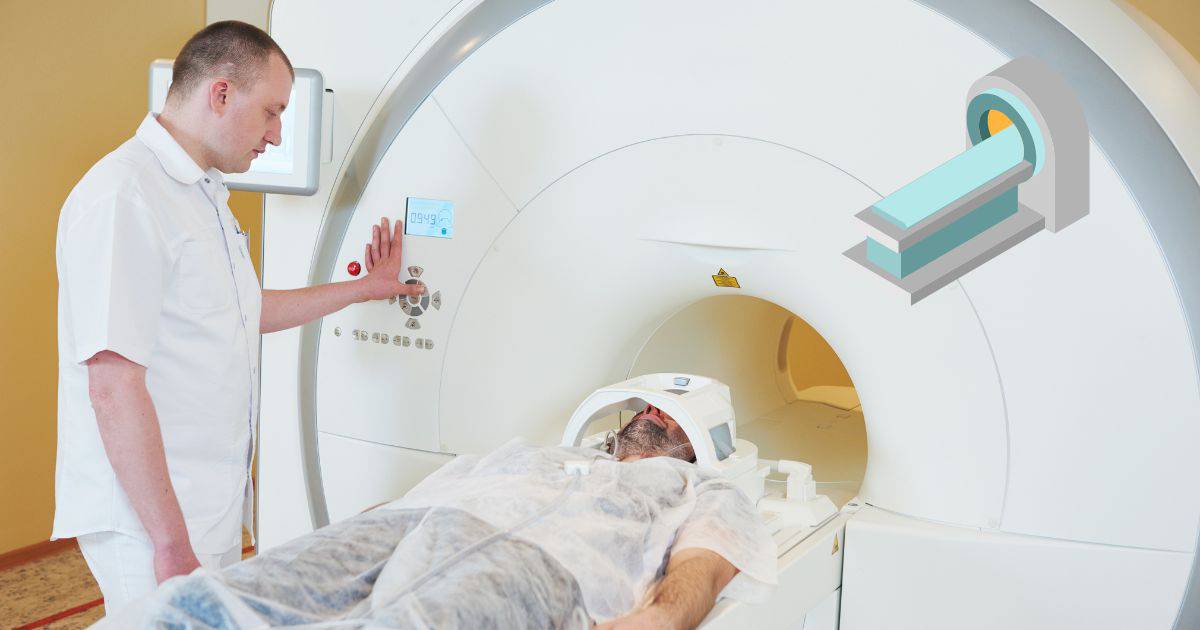
The MRI machine is a large, tube-shaped device that contains powerful magnets. During the test, you lie on a movable table that slides into the tube. The machine’s magnetic field temporarily realigns the water molecules in your body, while radio waves cause these aligned atoms to produce faint signals, which are used to create cross-sectional images.
MRI provides exceptional detail of soft tissues, organs, bones, and virtually all other internal body structures. The images can be examined on a computer monitor, transmitted electronically, printed, or copied to a CD. Doctors can view the images from different angles to get a comprehensive understanding of the area being examined.
Some common types of MRI scans include:
- Brain MRI: Examines the brain and brain stem
- Spine MRI: Looks at the vertebrae, spinal cord, and surrounding tissues
- Joint MRI: Examines joints like knees, shoulders, or hips
- Abdominal MRI: Visualizes organs in the abdomen like the liver, kidneys, and pancreas
- Cardiac MRI: Examines the heart’s structure and function
- MRI with contrast: Uses a special dye (gadolinium) injected into the bloodstream to enhance certain tissues or blood vessels
MRI is also sometimes referred to as Nuclear Magnetic Resonance Imaging (NMRI) or Magnetic Resonance Tomography (MRT) in some countries.
When is an MRI Test Recommended?
Doctors recommend MRI scans for a variety of conditions and symptoms when they need detailed images of soft tissues and organs. Here are some common situations when an MRI might be ordered:
Neurological Conditions:
- Persistent headaches or migraines that don’t respond to treatment
- Symptoms of stroke or transient ischemic attack (TIA)
- Seizures or epilepsy
- Multiple sclerosis diagnosis or monitoring
- Memory problems or symptoms of dementia
- Suspected brain tumors or abnormalities
Musculoskeletal Issues:
- Joint pain that doesn’t improve with conservative treatment
- Sports injuries affecting ligaments, tendons, or cartilage
- Suspected herniated discs or spinal stenosis
- Unexplained back or neck pain with neurological symptoms
- Bone infections or tumors
- Evaluation of complex fractures
Cancer Diagnosis and Monitoring:
- Detection of tumors in soft tissues
- Staging of cancer to determine its spread
- Monitoring response to cancer treatment
- Planning for radiation therapy or surgery
Cardiovascular Conditions:
- Evaluation of heart structure and function
- Assessment of damage after a heart attack
- Examination of blood vessels for aneurysms or blockages
- Congenital heart defects
Other Conditions:
- Liver or kidney abnormalities
- Pelvic pain investigation (for conditions like endometriosis)
- Evaluation of the prostate gland
- Inner ear and hearing problems
MRI is primarily used as a diagnostic tool rather than for screening (except in specific high-risk cases like breast MRI for women with genetic risk factors for breast cancer). Doctors use MRI results alongside clinical findings, patient history, and other diagnostic tests to make accurate diagnoses and develop appropriate treatment plans.
MRI Test Preparation
Proper preparation for an MRI test ensures the procedure goes smoothly and produces high-quality images. Here’s what you need to know before your MRI scan:
Before the Test:
- Fasting Requirements: For most standard MRI scans, fasting is not required. However, if you’re having an MRI with contrast or an abdominal/pelvic MRI, you may be asked to fast for 4-6 hours before the procedure.
- Medication Considerations:
- Continue taking most regular medications unless specifically instructed otherwise
- Inform your doctor about all medications you’re taking, especially if you have kidney problems and are receiving contrast
- If you’re claustrophobic, your doctor might prescribe a mild sedative to help you relax during the procedure
- Metal and Electronic Items: Remove all metal objects before entering the MRI room, including:
- Jewelry, watches, hair pins, and eyeglasses
- Credit cards and electronic devices
- Hearing aids and removable dental work
- Clothing with metal zippers, buttons, or underwire bras
- Medical History Disclosure: Inform your healthcare provider if you have:
- Any metal implants, pacemakers, or artificial joints
- Tattoos or permanent makeup (some contain metal particles)
- History of kidney problems (relevant for contrast MRI)
- Pregnancy or if you’re breastfeeding
- Claustrophobia or anxiety disorders
During the Test:
- You’ll change into a hospital gown or comfortable clothing without metal components
- You’ll lie on a padded table that slides into the MRI machine
- The technologist will provide earplugs or headphones as the machine makes loud knocking sounds
- For some scans, a contrast dye may be injected through an IV line
- It’s crucial to remain still during the imaging process
- The technologist will communicate with you through an intercom system
- The entire procedure typically takes 30-60 minutes, depending on the area being scanned
After the Test:
- If no contrast was used, you can immediately resume normal activities
- If contrast was administered, drink plenty of fluids to help flush it from your system
- Results are usually available within 24-48 hours, though urgent cases may be read sooner
MRI Test Price List in Government Hospitals in Bangladesh
Government hospitals in Bangladesh offer MRI services at subsidized rates, making them more affordable for the general population. Here’s a list of major government hospitals and their current pricing for 2025:
| Hospital Name | Location | MRI Test Price (BDT) | Contact Number |
|---|---|---|---|
| Bangabandhu Sheikh Mujib Medical University (BSMMU) | Dhaka | 6,750-9,000 | Not available |
| Dhaka Medical College Hospital | Dhaka | 7,000-9,000 | Not available |
| National Institute of Neurosciences & Hospital | Dhaka | 7,000-10,000 | Not available |
| National Institute of Traumatology & Orthopaedic Rehabilitation (NITOR) | Dhaka | 7,000-10,000 | Not available |
| Chittagong Medical College Hospital | Chittagong | 7,000-9,000 | Not available |
| Rajshahi Medical College Hospital | Rajshahi | 7,000-9,000 | Not available |
| Sylhet MAG Osmani Medical College Hospital | Sylhet | 7,000-9,000 | Not available |
MRI Test Price List in Private Hospitals in Bangladesh
Private hospitals and diagnostic centers in Bangladesh offer MRI services with varying price points, often with additional features like shorter waiting times, more comfortable facilities, and advanced technology. Here’s a list of prominent private facilities and their pricing for 2025:
| Hospital/Diagnostic Center | Location | MRI Test Price (BDT) | Contact Number |
|---|---|---|---|
| Popular Diagnostic Centre Ltd. | Multiple branches | 9,000-12,000 | Not available |
| Ibn Sina Diagnostic & Consultation Center | Multiple branches | 9,000-12,000 | Not available |
| Labaid Diagnostics | Multiple branches | 9,000-12,000 | Not available |
| Square Hospitals Ltd. | Dhaka | 9,000-12,000 | Not available |
| United Hospital Limited | Dhaka | 10,000-14,000 | Not available |
| Evercare Hospital Dhaka | Dhaka | 10,000-16,000 | Not available |
| Apollo Hospitals Dhaka | Dhaka | 10,000-16,000 | Not available |
| Epic Hospital | Dhaka | 9,000-12,000 | Not available |
| Delta Hospital Ltd. | Dhaka | 9,000-12,000 | Not available |
| Anwer Khan Modern Hospital Ltd. | Dhaka | 9,000-12,000 | Not available |
Note: Prices may vary based on the specific body part being examined, whether contrast is used, and other factors. Some hospitals offer package deals for multiple MRI scans or combined with other diagnostic tests.
Understanding MRI Test Results
Interpreting MRI results requires medical expertise, but understanding the basics can help you have more informed discussions with your healthcare provider.
How MRI Results Are Presented:
MRI images appear as detailed cross-sectional pictures of the body part being examined. These images are analyzed by radiologists who prepare a detailed report for your referring physician. The report typically includes:
- Description of the technique used
- Findings observed in the images
- Comparison with any previous imaging studies
- Impression or conclusion summarizing the findings
Normal vs. Abnormal Findings:
- Normal Results: Show expected anatomy with no abnormalities, masses, injuries, or unusual patterns
- Abnormal Results: May indicate various conditions depending on the body part examined:
- Brain MRI: May show tumors, aneurysms, stroke damage, multiple sclerosis plaques, or signs of dementia
- Spine MRI: May reveal herniated discs, spinal stenosis, tumors, or nerve compression
- Joint MRI: Can show torn ligaments or cartilage, fractures, arthritis, or inflammation
- Abdominal MRI: Might detect tumors, cysts, inflammation, or organ abnormalities
- Cardiac MRI: Can reveal heart damage, congenital defects, or coronary artery disease
Factors That May Affect Results:
- Movement during the scan can cause blurry images
- Metal implants or objects can create artifacts that distort the images
- Certain medical conditions may alter how tissues appear
- Contrast dye reactions, though rare, can affect image quality
- Technical factors like machine calibration and technologist skill
When to Consult Your Doctor:
- Always discuss your MRI results with your referring physician
- Don’t attempt to interpret the images yourself, as this requires specialized training
- If your symptoms worsen before receiving results, contact your doctor
- Follow up as recommended for additional tests or consultations
- Seek a second opinion if you have concerns about the findings or recommended treatment
Remember that MRI findings must be correlated with your clinical symptoms and other diagnostic information. An abnormality on an MRI doesn’t always indicate a serious problem, and sometimes normal-appearing MRIs can still miss certain conditions.
Frequently Asked Questions
1. How accurate are MRI scans compared to other imaging tests?
MRI scans are considered highly accurate for visualizing soft tissues and are often superior to CT scans and X-rays for this purpose. They provide detailed images with approximately 90-95% accuracy for most conditions, though this varies depending on what’s being examined. MRIs are particularly valuable for neurological conditions, soft tissue injuries, and certain cancers. However, some conditions may be better detected with other imaging modalities like CT scans (which are better for bone details) or ultrasound (which excels at visualizing certain organs in real-time).
2. How long does it take to get MRI results in Bangladesh?
In most hospitals and diagnostic centers in Bangladesh, routine MRI results are available within 24-48 hours after the scan. Many private facilities offer same-day reporting for an additional fee. For urgent cases, results can sometimes be provided within a few hours. The actual scan itself typically takes 30-60 minutes, depending on the body part being examined and whether contrast is used.
3. Does health insurance in Bangladesh cover MRI tests?
Health insurance coverage for MRI tests in Bangladesh varies widely depending on your insurance provider and specific policy. Most comprehensive health insurance plans do cover MRI scans when medically necessary and prescribed by a physician. However, there may be limitations on coverage amounts, and some policies might require pre-authorization. Government health schemes like Shasthyo Surokhsha Karmasuchi (SSK) provide limited coverage for certain populations. Always check with your insurance provider before scheduling an MRI to understand your coverage and potential out-of-pocket expenses.
4. How often can someone safely undergo MRI scans?
MRI scans don’t use ionizing radiation, so there are no known cumulative risks from repeated MRI examinations. From a safety perspective, a person can undergo multiple MRI scans as medically necessary. However, for practical and economic reasons, doctors typically order MRIs only when the benefits of the diagnostic information outweigh the costs. For patients with chronic conditions requiring monitoring, MRIs might be recommended every few months or annually, depending on the specific medical situation.
5. What’s the difference between an MRI with contrast and without contrast?
An MRI without contrast (non-contrast MRI) uses only the magnetic field and radio waves to create images of organs and tissues. This is sufficient for many diagnostic purposes and avoids any risk associated with contrast agents.
An MRI with contrast involves injecting a gadolinium-based dye into your bloodstream before or during the scan. The contrast agent enhances certain tissues, making abnormalities more visible. It’s particularly useful for detecting inflammation, tumors, blood vessel abnormalities, and assessing organ function.
Contrast MRIs are typically more expensive (usually by 1,000-3,000 BDT in Bangladesh) and may require kidney function testing beforehand, as the contrast can be problematic for people with kidney disease. Your doctor will determine whether contrast is necessary based on what they’re looking for.
6. Can I get an MRI if I’m claustrophobic?
Yes, even if you’re claustrophobic, you can still get an MRI. Several options are available:
- Some facilities in Bangladesh offer open MRI machines, which are less confining
- Your doctor can prescribe a mild sedative to take before the procedure
- Some hospitals provide virtual reality goggles or mirrors that allow you to see outside the machine
- Music or guided relaxation through headphones can help distract and calm you
- In some cases, a family member may be allowed to stay in the room with you
Be sure to discuss your claustrophobia with your doctor and the imaging facility in advance so they can make appropriate accommodations.
7. Are there any alternatives to MRI scans?
Depending on the condition being investigated, alternatives to MRI may include:
- CT scans (faster and less expensive, but use radiation)
- Ultrasound (excellent for soft tissues and no radiation, but less detailed)
- X-rays (good for bone imaging but limited for soft tissues)
- Nuclear medicine scans (useful for functional imaging)
- PET scans (good for metabolic activity, especially in cancer)
Your doctor will recommend the most appropriate imaging test based on your symptoms, the part of the body being examined, cost considerations, and availability of equipment.
Conclusion
MRI tests are invaluable diagnostic tools that provide detailed images of the body’s internal structures without using harmful radiation. In Bangladesh, the cost of MRI tests in 2025 ranges from approximately 6,750 BDT in government hospitals to 16,000 BDT in private facilities, depending on the body part being examined and whether contrast is used.
When considering where to get your MRI, it’s worth comparing prices across different facilities while also factoring in waiting times, equipment quality, radiologist expertise, and additional services offered. Government hospitals generally provide more affordable options, while private facilities may offer faster service, more comfortable environments, and sometimes more advanced technology.
Remember that the quality of the interpretation is just as important as the quality of the images themselves. Seek out facilities with experienced radiologists, particularly those specializing in the body system you’re having examined.
Before scheduling your MRI test, consult with your healthcare provider about preparation requirements, especially if you have any implanted medical devices or are claustrophobic. Also, check with your insurance provider regarding coverage for MRI test prices in Bangladesh to understand your potential out-of-pocket expenses.
Ultimately, an MRI is a powerful diagnostic tool that can provide crucial information for your healthcare journey. The investment in a high-quality scan, properly interpreted, can lead to more accurate diagnosis and more effective treatment plans.