CT Scan Test Price in Bangladesh: 2025 Updated
A CT scan, or computed tomography scan, is a vital medical imaging technique that uses X-rays and computer technology to create detailed images of the body’s internal structures. It is widely used to diagnose conditions such as injuries, cancers, infections, and internal bleeding. In Bangladesh, CT scans are available in both government and private hospitals, with prices varying based on the facility and scan type. The CT scan price in Bangladesh typically ranges from 2,000 BDT in government hospitals to 10,000 BDT or more in private facilities. Understanding these costs can help patients make informed healthcare decisions.
What is a CT Scan Test?
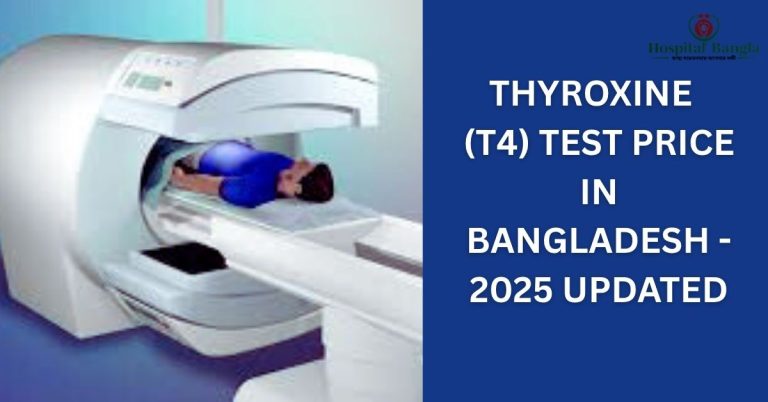
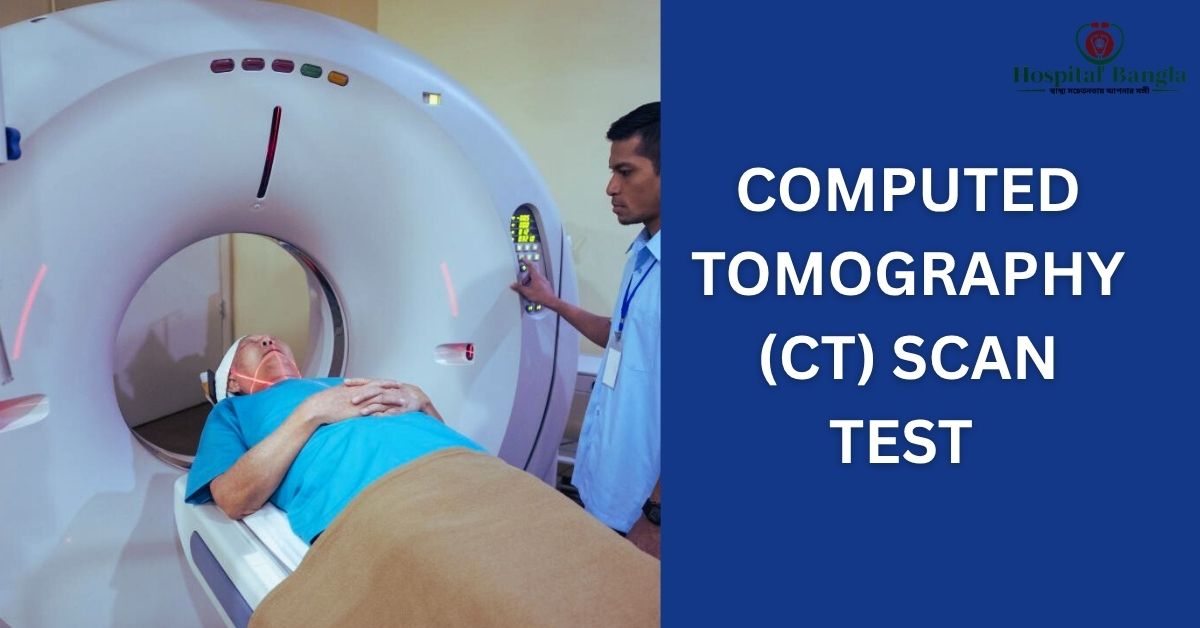
A CT scan, also known as a computed tomography scan or CAT (computed axial tomography) scan, is a diagnostic imaging procedure that combines X-ray technology with computer processing to produce detailed cross-sectional images, or “slices,” of the body. These images allow doctors to visualize bones, blood vessels, and soft tissues in three dimensions, offering a more comprehensive view than traditional X-rays.
What Does It Measure?
CT scans provide detailed images of various body parts, including:
- Bones (e.g., to detect fractures or abnormalities)
- Soft tissues (e.g., to identify tumors or infections)
- Blood vessels (e.g., to diagnose blockages or aneurysms)
- Organs (e.g., to assess liver, kidney, or lung conditions)
Clinical Significance
The test is critical for:
- Diagnosing acute conditions like internal bleeding or brain injuries
- Detecting cancers by identifying tumors or abnormal growths
- Evaluating chronic diseases such as pulmonary embolism or kidney stones
- Guiding medical procedures like biopsies or surgeries
Medical Conditions Requiring a CT Scan
Doctors may recommend a CT scan for:
- Trauma (e.g., head injuries, fractures)
- Cancer screening or staging
- Infections (e.g., abscesses, pneumonia)
- Cardiovascular issues (e.g., blood clots, aneurysms)
- Neurological conditions (e.g., stroke, brain tumors)
Alternative Names
CT scans are also referred to as:
- CAT scans
- Computed tomography scans
- Computerized axial tomography scans
When is a CT Scan Test Recommended?
CT scans are recommended when other imaging tests, such as X-rays or ultrasounds, do not provide sufficient detail. Specific scenarios include:
Symptoms or Conditions
- Severe headaches or neurological symptoms (e.g., seizures, confusion)
- Chest pain or breathing difficulties (e.g., suspected pulmonary embolism)
- Abdominal pain or swelling (e.g., appendicitis, kidney stones)
- Unexplained weight loss or persistent fever (e.g., possible cancer)
- Trauma from accidents (e.g., fractures, internal injuries)
Diagnostic Uses
Doctors use CT scan results to:
- Confirm diagnoses (e.g., identifying a tumor’s location)
- Plan treatments (e.g., determining surgical approaches)
- Monitor disease progression or treatment effectiveness
Screening, Monitoring, or Diagnosis
- Screening: Used for high-risk patients (e.g., lung cancer screening in smokers)
- Diagnosis: Identifies the cause of symptoms (e.g., brain hemorrhage)
- Monitoring: Tracks conditions like cancer during treatment
CT Scan Test Preparation
Preparation for a CT scan depends on the type of scan and the facility’s requirements. Here’s what patients may need to do:
Fasting Requirements
- For scans using contrast dye (e.g., abdominal or chest CT), patients may need to fast for 4–6 hours before the procedure.
- For non-contrast scans (e.g., brain CT), fasting is typically not required.
Medications
- Continue regular medications unless instructed otherwise by your doctor.
- Inform your doctor about any allergies, especially to iodine-based contrast dyes.
- Patients with kidney issues may need to avoid contrast dyes.
Sample Collection Process
- No sample collection (e.g., blood or urine) is required for a CT scan.
- The procedure involves lying on a table that slides into a doughnut-shaped CT scanner.
- Contrast dye, if needed, is administered via an intravenous (IV) line or orally.
Duration
- The scan itself takes 5–15 minutes, depending on the body part being imaged.
- Preparation (e.g., changing, IV insertion) may add 15–30 minutes to the total time.
CT Scan Test Price List in Government Hospitals in Bangladesh
Government hospitals in Bangladesh offer CT scans at subsidized rates, making them an affordable option for many patients. Below is a table of estimated prices for standard CT scans in major government hospitals as of 2025:
| Hospital Name | Location | CT Scan Test Price (BDT) | Contact Number |
|---|---|---|---|
| Dhaka Medical College Hospital (DMCH) | Dhaka | 2,000–2,500 | 02-55165001 |
| Shaheed Suhrawardy Medical College Hospital | Dhaka | 2,000–2,500 | 02-8144048 |
| Bangabandhu Sheikh Mujib Medical University (BSMMU) | Dhaka | 2,000–2,500 | 02-8610000 |
| Sir Salimullah Medical College Mitford Hospital | Dhaka | 2,000–2,500 | 02-48311000 |
| Holy Family Red Crescent Medical College Hospital | Dhaka | 2,000–2,500 | 02-9511611 |
| National Institute of Cardiovascular Diseases (NICVD) | Dhaka | 2,000–2,500 | 02-8610000 |
| National Institute of Neurosciences and Hospital (NINS) | Dhaka | 2,000–2,500 | 02-8610000 |
Note: Prices are based on data from BSMMU and may vary slightly. Contact hospitals to confirm current rates.
CT Scan Test Price List in Private Hospitals in Bangladesh
Private hospitals and diagnostic centers in Bangladesh offer CT scans with a wider price range, often reflecting advanced equipment or faster service. Below is a table of estimated prices for standard CT scans in major private facilities as of 2025:
| Hospital/Diagnostic Center | Location | CT Scan Test Price (BDT) | Contact Number |
|---|---|---|---|
| Ahsania Mission Cancer & General Hospital | Dhaka | 3,750–12,000 | 10617 |
| Labaid Diagnostics Center | Dhaka | 4,000–10,000 | 10666 |
| Popular Diagnostic Centre Ltd. | Dhaka | 4,000–8,000 | 09666 787801 |
| United Hospital | Dhaka | 5,000–15,000 | 10666 |
| Square Hospital | Dhaka | 5,000–15,000 | 10666 |
| Apollo Hospitals Dhaka | Dhaka | 6,000–18,000 | 10666 |
| Evercare Hospital | Dhaka | 5,000–15,000 | 10666 |
| Green Life Hospital Ltd. | Dhaka | 4,000–10,000 | 10653 |
| Ibn Sina Hospital | Dhaka | 3,000–8,000 | 02-8111811 |
| Ibrahim Cardiac Hospital & Research Institute | Dhaka | 4,000–10,000 | 02-8111811 |
Note: Prices are approximate and depend on the scan type (e.g., brain, chest, or angiogram). Verify with facilities for exact costs.
Understanding CT Scan Test Results
CT scan results are interpreted by a radiologist, who examines the images for abnormalities. Here’s what to know:
Normal Range
- Normal results show structures (e.g., bones, organs) that appear typical for the patient’s age and health.
- No unexpected masses, fractures, or abnormalities are present.
Abnormal Results
- Abnormal results may indicate:
- Tumors or masses (e.g., cancer)
- Fractures or bone abnormalities
- Infections (e.g., abscesses)
- Blood clots or vascular issues
- Further tests may be needed to confirm findings.
Factors Affecting Results
- Patient movement during the scan can blur images.
- Metal objects (e.g., jewelry, implants) may cause artifacts.
- Contrast dye can enhance visibility but may affect patients with allergies or kidney issues.
When to Consult a Doctor
- Discuss results with your doctor to understand their implications.
- Seek immediate attention if results suggest urgent conditions (e.g., brain hemorrhage).
- Request clarification if the report is unclear or if additional tests are recommended.
Frequently Asked Questions
How accurate is a CT scan?
CT scans are highly accurate for detecting conditions like fractures, tumors, and infections. Accuracy depends on the equipment quality and the radiologist’s expertise.
How long does it take to get CT scan results?
Results are typically available within 24–48 hours. In emergencies, hospitals may provide results within 1 hour.
Is CT scan covered by insurance in Bangladesh?
Coverage varies by policy. Some insurance plans cover CT scans if medically necessary, but many patients pay out-of-pocket. Check with your provider.
How often should one get a CT scan?
CT scans are not routine and are only recommended when medically necessary. Frequency depends on your condition and doctor’s advice.
What is the difference between a CT scan and an MRI?
CT scans use X-rays and are better for bones and acute injuries, while MRIs use magnetic fields and excel at imaging soft tissues like the brain or muscles.
Are there risks associated with CT scans?
CT scans involve low levels of radiation, which carry minimal risk. Contrast dyes may cause allergic reactions in rare cases.
Can I eat before a CT scan?
For non-contrast scans, eating is usually allowed. For contrast-enhanced scans, fasting for 4–6 hours may be required.
Conclusion
CT scans are indispensable for diagnosing and managing a wide range of medical conditions, from injuries to chronic diseases. In Bangladesh, patients can choose between government hospitals, offering affordable options at 2,000–2,500 BDT, and private facilities, with prices ranging from 3,750–18,000 BDT. Comparing the CT scan price in Bangladesh helps patients find cost-effective care without compromising quality. Always consult healthcare providers to confirm prices and determine the best diagnostic approach for your needs.